
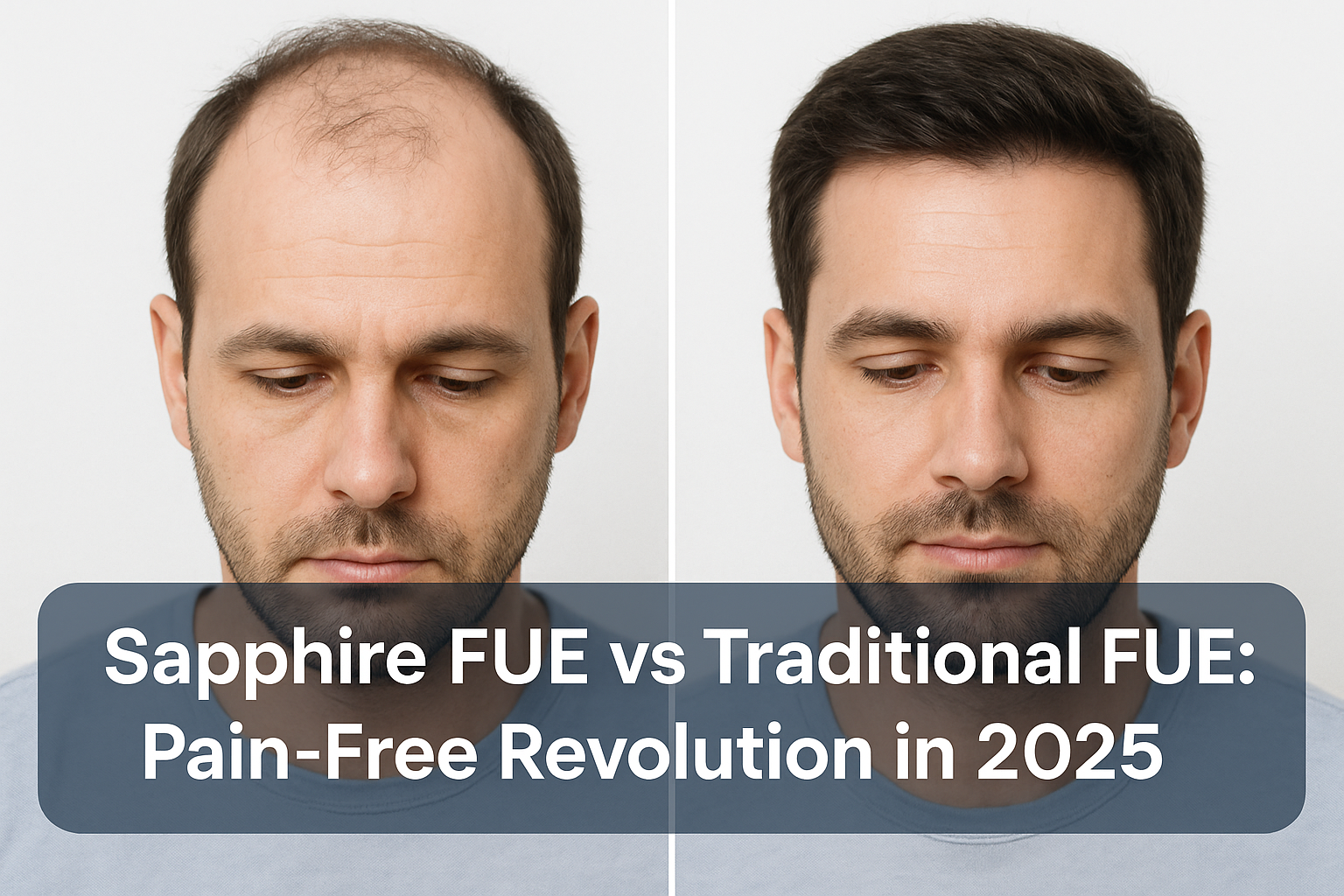
Losing hair can be tough. It affects how you feel about yourself. Many people look for solutions, and hair transplants have become very popular. But with new technologies always coming out, how do you choose the right method? You might have heard about FUE – Follicular Unit Extraction. It’s a widely used technique. But then there’s Sapphire FUE, which promises even better results and a more comfortable experience. So, what’s the real difference?
This article will break down Traditional FUE and Sapphire FUE. We’ll look at how each works, their benefits, and their drawbacks. Our goal is to help you understand which option might be best for you, especially as we move towards a “Pain-Free Revolution” in hair transplants by 2025.
Understanding FUE: The Core of Modern Hair Transplants
Before we compare, let’s understand FUE itself. FUE stands for Follicular Unit Extraction. It’s a method where the surgeon takes individual hair follicles, also called follicular units, directly from the donor area. This is usually the back or sides of your head. The surgeon then carefully transplants these units into the balding or thinning areas, known as the recipient sites.
FUE is a big step up from older methods like FUT (Follicular Unit Transplantation), which involved removing a strip of skin. With FUE, there’s no linear scar. Instead, you get tiny, almost invisible dots in the donor area. This means faster healing and more natural-looking results.
Traditional FUE: The Proven Path
Traditional FUE has been the standard for many years. It’s a reliable and effective way to restore hair.
How Traditional FUE Works with Steel Blades
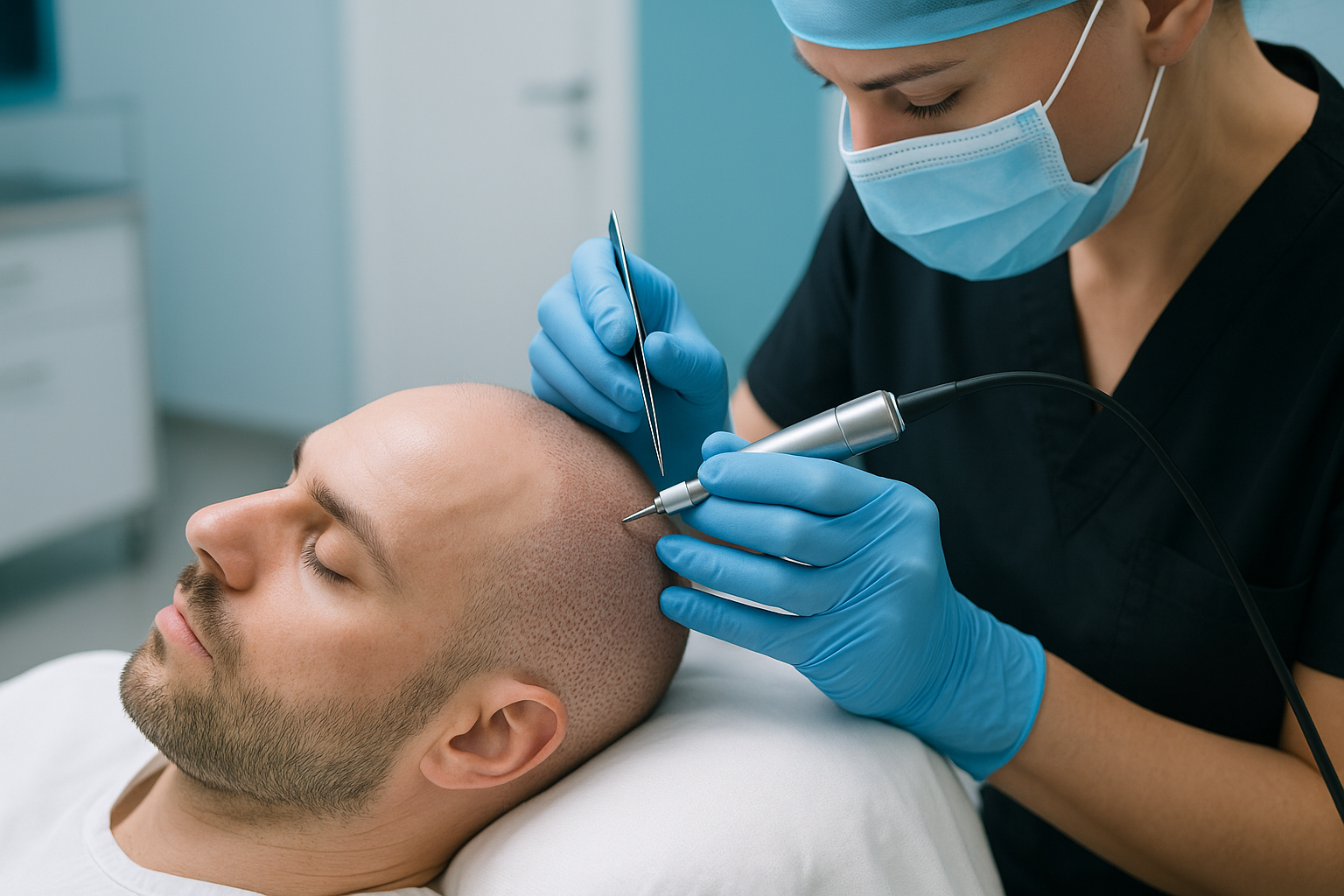
In Traditional FUE, the surgeon uses very fine surgical steel punches to extract individual follicular units from the donor area. These punches are usually round, ranging from 0.7mm to 1.0mm in diameter. Once the surgeon extracts the grafts, they make tiny slits or incisions in the recipient area using steel blades.
These slits prepare the area for the new hair follicles. The angle, depth, and direction of these incisions are crucial. They determine how natural your new hair will look. Then, the surgeon carefully places the extracted hair grafts into these prepared recipient sites.
Advantages of Traditional FUE
- Established Method: Traditional FUE has a long track record. Many clinics and surgeons are highly skilled in this technique.
- Cost-Effective: Generally, Traditional FUE can be less expensive than Sapphire FUE. This makes it a more accessible option for some.
- Good Results: When performed by an experienced surgeon, Traditional FUE can provide excellent, natural-looking results and good hair density.
Potential Drawbacks and Limitations
- Incision Size: The steel blades the surgeon uses for making recipient site incisions can be slightly wider. This might lead to slightly more tissue trauma.
- Healing Time: While still relatively fast, the healing process for the recipient area might be a little longer compared to newer methods.
- Swelling: Some patients might experience more swelling in the scalp after Traditional FUE.
Sapphire FUE: A Sharper, Smoother Approach
Sapphire FUE is an advanced variation of the FUE technique. It builds on the success of Traditional FUE but uses a different tool for creating the recipient sites. This small change makes a big difference in the outcome.
What Makes Sapphire FUE Different? The Power of Sapphire Blades
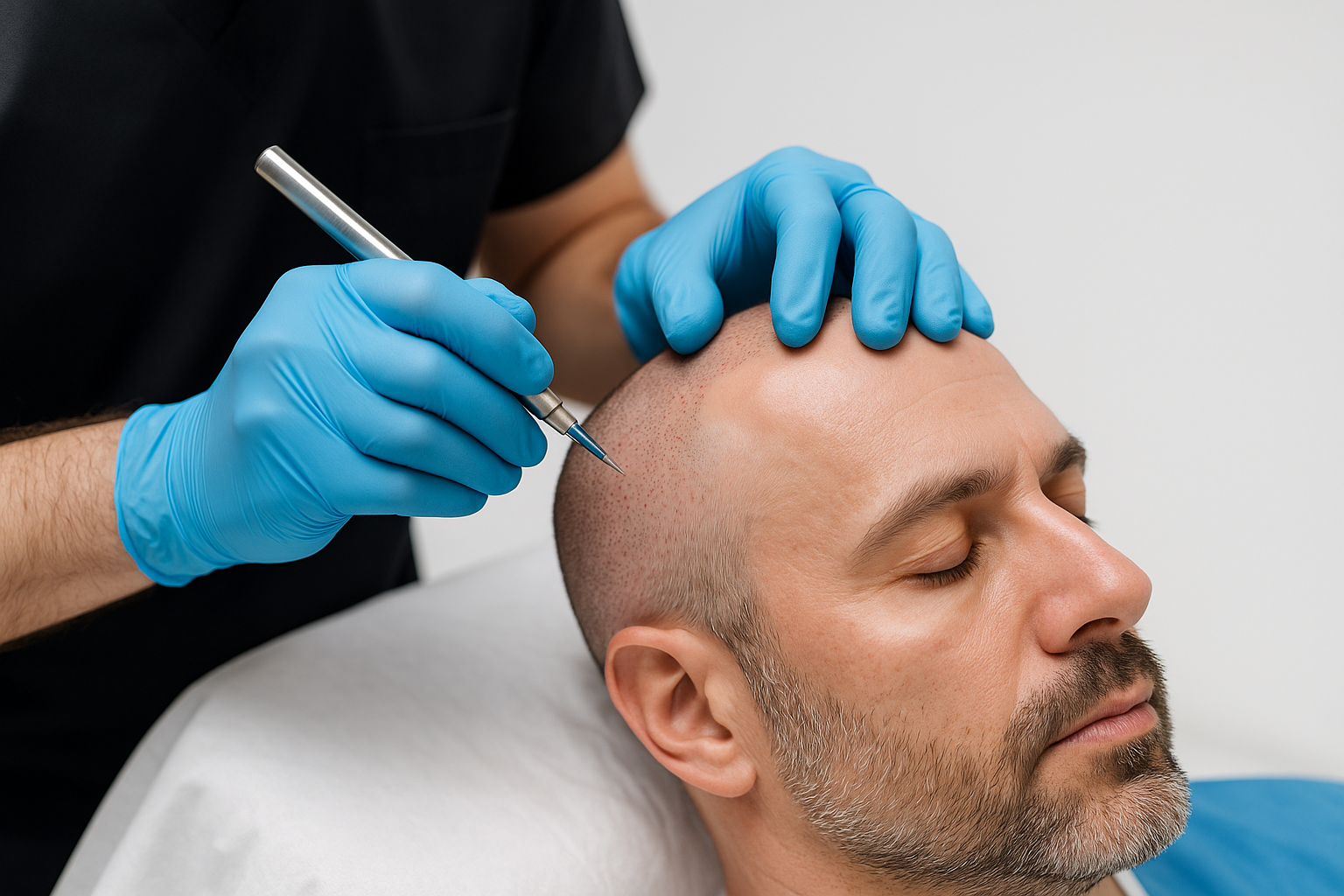
The key difference in Sapphire FUE lies in the blades used to create the channels in the recipient area. Instead of steel blades, surgeons use blades made from real sapphire stones. Sapphire is a very hard, smooth, and durable crystal. These sapphire blades allow for much finer and more precise micro-incisions.
Unlike the U-shaped or slit-shaped incisions made by steel blades, sapphire blades create V-shaped micro-channels. These channels are incredibly small, typically ranging from 0.6mm to 0.8mm. This tiny difference has a major impact on the procedure and its results.
The Science Behind Sapphire Incisions: Precision & Minimizing Trauma
The sharpness and smoothness of sapphire blades mean less tissue damage during the incision process. When the surgeon makes incisions smaller and cleaner, they disturb the surrounding skin and blood vessels less. This leads to several benefits:
- Better Blood Circulation: Less trauma means better blood flow to the newly planted grafts. This helps them survive and thrive.
- Precise Angulation: The fine tips of sapphire blades allow the surgeon to create recipient sites with much greater precision. This means your new hair can be angled to match your existing hair perfectly, leading to a truly natural look.
- Reduced Inflammation: Cleaner incisions cause less inflammation and irritation in the scalp.
Key Advantages of Sapphire FUE
- Enhanced Density: The smaller V-shaped channels allow the surgeon to create more recipient sites closer together. This means higher hair density, giving you a fuller head of hair, helping patients like Michael achieve the dense look they desire.
- Faster Healing & Reduced Scabbing: Because there is less trauma, the scalp heals more quickly. You will also see less scabbing after the procedure. Imagine experiencing minimal scabbing, allowing you to return to your social life sooner – a benefit many of our patients truly appreciate.
- Less Swelling & Discomfort: Minimal tissue damage directly translates to significantly less post-operative swelling and discomfort. This makes your recovery much smoother, much like Emily, who noted she felt ready for light activities within days.
- More Natural-Looking Results: The ability to create precise angles and directions for each hair follicle ensures your new hair blends seamlessly with your natural hair.
- Reduced Risk of Complications: Cleaner incisions also lower the risk of infection and other minor complications.
Are There Any Disadvantages to Sapphire FUE?
The main drawback is often the cost. Because it requires specialized equipment and a higher level of precision and expertise, Sapphire FUE is generally more expensive than Traditional FUE. However, many find the benefits worth the investment for a smoother recovery and potentially superior results.
Head-to-Head: Sapphire FUE vs Traditional FUE
Let’s compare these two popular FUE methods directly, looking at the key aspects that matter to you.
Blade Material: Traditional FUE uses surgical steel blades for creating recipient sites. Sapphire FUE uses blades made from a single piece of sapphire crystal. The material makes a big difference.
Incision Shape: With Traditional FUE, the steel blades create U-shaped or slit-shaped channels. Sapphire FUE, on the other hand, creates very fine, V-shaped micro-channels. These V-shaped channels are much smaller and more precise.
Incision Size: Traditional FUE typically uses blades that make incisions between 0.7mm and 1.0mm. Sapphire FUE blades are finer, creating incisions usually between 0.6mm and 0.8mm. This smaller size means less impact on the scalp.
Density Potential: Both methods offer good density. However, Sapphire FUE’s finer channels allow for grafts to be placed closer together. This can achieve a higher density of hair, especially important for areas needing a very full look.
Healing Time and Scabbing: Because Sapphire FUE causes less trauma to the skin, patients often experience faster healing and less visible scabbing after the procedure. Traditional FUE healing is also good, but potentially slightly longer in the recipient area.
Swelling and Discomfort: A significant advantage of Sapphire FUE is the reduced post-procedure swelling and discomfort. The cleaner, smaller incisions irritate the tissue less. This means an easier recovery compared to Traditional FUE, which can sometimes lead to more noticeable swelling.
Natural-Looking Results: Both techniques can produce natural results. However, Sapphire FUE’s precision allows for very accurate control over the angle and direction of hair growth. This can lead to an even more aesthetically pleasing and undetectable result.
Cost: Generally, Traditional FUE is more budget-friendly. Sapphire FUE is typically a higher investment due to the advanced tools and expertise required.
The “Pain-Free Revolution” in Detail: Comfort, Recovery, and the Future
When considering a hair transplant, comfort and recovery are major concerns. The idea of a “Pain-Free Revolution” by 2025 isn’t just a dream; it’s a reality being shaped by advancements today.
Minimizing Discomfort: Anesthetic Advancements Today
Modern hair transplant clinics prioritize patient comfort. Both Traditional and Sapphire FUE are performed under local anesthesia. This means you are awake but the treatment area is completely numb. Advanced local anesthesia techniques, like nerve blocks, target specific nerves to ensure you feel minimal to no pain during the extraction and implantation phases.
Some clinics also offer needle-free injectors for anesthesia, or light sedation, for those who are anxious about needles or prefer to be more relaxed. This focus on patient comfort is a big part of the pain-free experience.
The Role of Sapphire in Pain Reduction & Accelerated Healing
Sapphire FUE plays a crucial role in this revolution. The incredibly small and sharp V-shaped incisions reduce trauma to the scalp’s nerve endings and blood vessels. Less trauma means:
- Less activation of pain receptors during and after the procedure.
- Reduced inflammation, which is a common cause of discomfort and swelling.
- Faster regeneration of tissue, leading to quicker healing and less post-operative soreness.
This directly contributes to a more comfortable experience, allowing you to return to your daily routine faster.
Post-Procedure Care for a Pain-Free Journey
Beyond the procedure itself, proper aftercare is vital. Your clinic will provide clear instructions on how to care for your new hair. This includes gentle washing, using prescribed medications (like mild pain relievers or anti-inflammatory drugs if needed), and avoiding strenuous activities. Following these guidelines meticulously ensures a smooth and pain-free recovery. You can learn more about post-procedure care here: Hair Transplant Aftercare Tips.
Looking Ahead to 2025: The Future of Comfortable Hair Transplants
By 2025, we anticipate even further advancements. Robotic assistance for FUE is already emerging, offering even greater precision in graft extraction and site creation. New topical agents designed to reduce inflammation and accelerate healing might become standard. The goal is to make the entire hair transplant journey, from consultation to full recovery, as comfortable and efficient as possible.
Who is the Ideal Candidate for Each Procedure?
The best choice depends on your individual needs, budget, and desired outcome.
When Traditional FUE Might Still Be Preferred
Traditional FUE is a great option if you have general hair thinning or balding and are looking for an effective solution. It’s often chosen by those on a tighter budget who still want reliable, natural-looking results. It’s also well-suited for a wide range of hair types and patterns of hair loss.
Why Sapphire FUE is Gaining Popularity for Many
Sapphire FUE is increasingly popular among those seeking the highest possible hair density and the most natural look. It’s ideal if you prioritize a faster, more comfortable healing process with minimal swelling. Patients with finer hair or those requiring very dense packing in visible areas often choose Sapphire FUE for its superior precision and aesthetic outcomes. For more details on the benefits, visit our dedicated page: Sapphire Hair Transplant.
Making Your Choice: Essential Questions to Ask Your Surgeon
The most important step is a personalized consultation. Ask your surgeon:
- What is your experience with both Traditional FUE and Sapphire FUE?
- Which technique do you recommend for my specific hair loss pattern and hair type, and why?
- Can you show me before-and-after photos of patients who had similar hair loss treated with both methods?
- What are the expected healing times and potential discomfort levels for each procedure in my case?
- What is the total cost for each option, including all post-operative care?
- How will you ensure a natural hairline and optimal density with my chosen method?
Conclusion: Embracing Innovation for Your Hair Restoration Journey
Both Traditional FUE and Sapphire FUE are effective methods for hair restoration. Traditional FUE offers a time-tested and reliable solution. However, Sapphire FUE, with its precision sapphire blades, takes the FUE technique a step further. It offers advantages in terms of graft density, healing time, and overall patient comfort. This aligns perfectly with the ongoing “Pain-Free Revolution” in hair transplants.
Ultimately, the best choice depends on your specific needs and priorities. It’s vital to have an open discussion with an experienced and reputable hair transplant specialist. They can assess your unique situation and guide you towards the method that will give you the best, most natural-looking results with the most comfortable experience possible.
Frequently Asked Questions
What is the main difference between Sapphire FUE and Traditional FUE?
The main difference lies in the tools used to create the recipient channels on the scalp. Traditional FUE uses surgical steel blades, while Sapphire FUE uses specialized blades made from sapphire stone. Sapphire blades allow for finer, V-shaped micro-channels, leading to less tissue trauma and potentially higher density.
Is Sapphire FUE less painful than Traditional FUE?
Many patients report less discomfort and pain with Sapphire FUE. This is because the sapphire blades create smoother and smaller incisions, causing less trauma to the scalp. This reduced trauma leads to less swelling and a more comfortable recovery compared to Traditional FUE.
Does Sapphire FUE offer better results in terms of hair density?
Yes, Sapphire FUE can often achieve higher hair density. The finer, V-shaped channels allow the surgeon to place hair grafts closer together. This leads to a fuller and denser appearance of the transplanted hair, which is a significant advantage for many patients.
Is the recovery time faster with Sapphire FUE?
Generally, yes. Due to the minimal tissue damage caused by sapphire blades, the healing process for the recipient area is often quicker with Sapphire FUE. Patients tend to experience less scabbing and swelling, allowing for a faster return to normal activities.
Is Sapphire FUE more expensive than Traditional FUE?
Yes, Sapphire FUE typically has a higher cost. This is due to the use of specialized sapphire blades, which are more expensive than traditional steel blades, and the advanced expertise often required for this precise technique. However, many consider the benefits in terms of comfort, healing, and results to be a worthwhile investment.

