
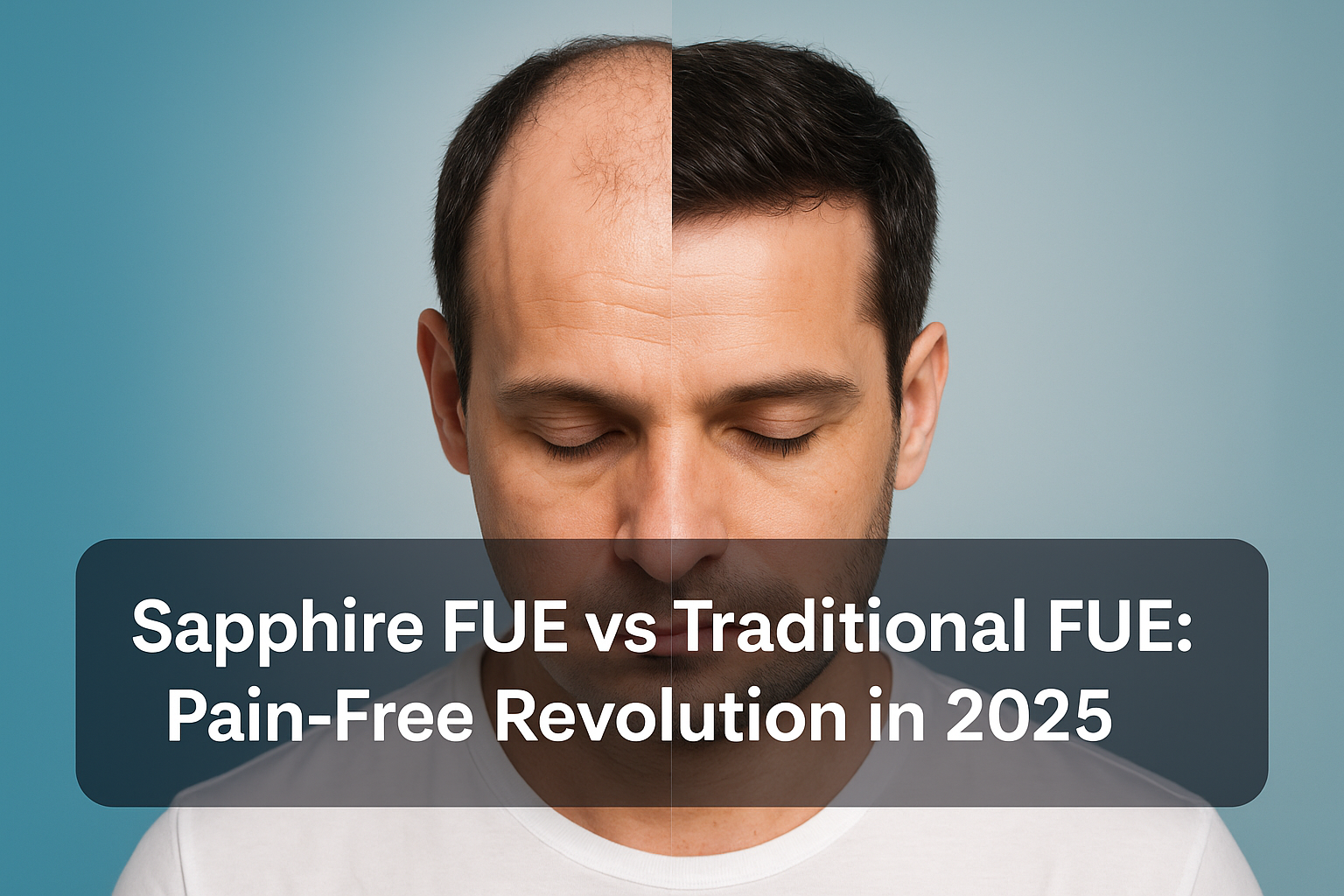
Losing hair can feel like losing a part of yourself. It often impacts confidence and how you see yourself. For many years, hair transplants have offered a powerful solution. Today, two popular methods stand out: Traditional FUE and Sapphire FUE.
Both aim to restore your hair naturally. However, they use different tools and techniques, leading to distinct experiences in terms of comfort, recovery, and even the final look. Let’s explore these differences and see how close we are to a truly pain-free revolution by 2025.
Understanding Traditional FUE: The Tried and Tested Method
So, how did we get here? It all started with Follicular Unit Extraction, or FUE, which truly revolutionized hair restoration, moving away from older, strip-based methods. Traditional FUE involves carefully extracting individual hair follicles from a donor area, usually the back of your head. Surgeons then meticulously transplant these to areas experiencing thinning or baldness, helping you reclaim a fuller look.
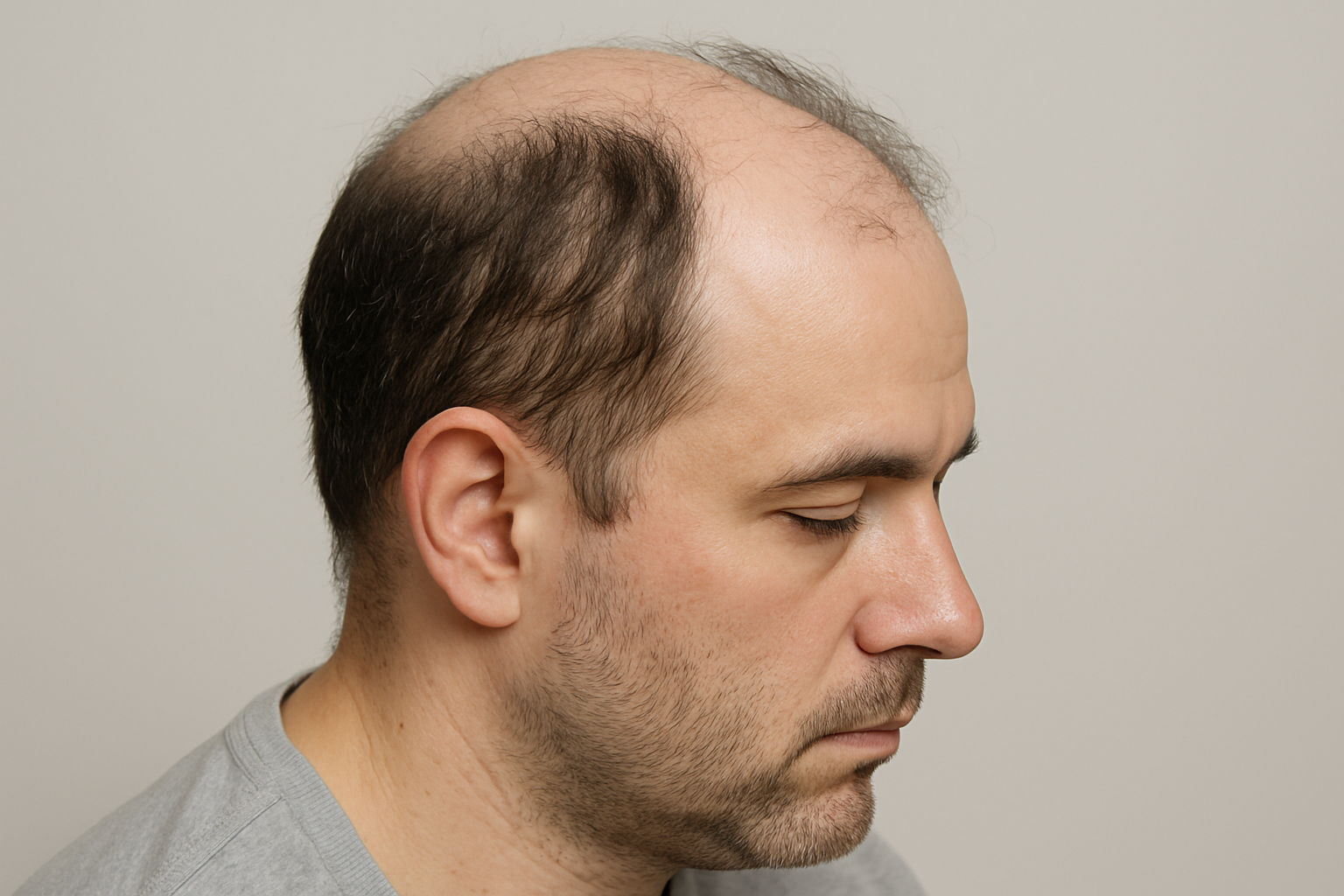
In Traditional FUE, surgeons use small, round steel punches to create tiny, circular holes to extract grafts. Then, they use steel blades to make recipient channels on your scalp. Surgeons place the extracted grafts into these channels. It’s a precise process, one that has genuinely helped countless individuals regain their hair and confidence.
The main advantages of Traditional FUE are its established track record and often more affordable cost. Many clinics have been performing this method for years, with patients appreciating its reliability. However, we understand some patients report more discomfort during and after the procedure, a common concern we hear. The steel blades can create slightly wider, U-shaped channels. This might lead to a longer healing time or slightly less dense results in some cases. But what if there was a way to achieve even greater comfort and precision?
The Innovation of Sapphire FUE: Precision and Enhanced Healing
Sapphire FUE takes the proven FUE technique a step further. It uses specialized blades made from a precious gemstone: sapphire. These blades are incredibly sharp and smooth. They are designed to create V-shaped micro-incisions in the recipient area of the scalp.
The core idea behind Sapphire FUE is to minimize trauma to the scalp. The V-shaped channels are much finer and more precise than the U-shaped channels made by traditional steel blades. This allows for closer graft placement and better blood flow around the newly implanted follicles. This technique is rapidly gaining popularity for its potential benefits. Doesn’t that sound like a significant step forward?
The distinct advantages of Sapphire FUE include reduced pain and faster healing. Because the incisions are smaller and smoother, there’s less tissue damage. This can lead to a more comfortable recovery period and quicker return to daily activities. Many of our patients genuinely appreciate this improved experience, finding peace of mind in a smoother recovery.
Sapphire FUE vs Traditional FUE: A Detailed Look
When considering a hair transplant, understanding the specifics of sapphire fue vs traditional fue is crucial. Here’s a head-to-head comparison to help you make an informed decision:
-
The Tools & Incision Process: Traditional FUE uses steel punches for extraction and steel blades for creating recipient channels. These blades create slightly wider, U-shaped openings. Sapphire FUE, on the other hand, utilizes sharp, V-shaped sapphire blades for channel creation. These blades allow for ultra-fine micro-incisions, significantly reducing the size of the openings.
-
Pain & Discomfort Levels: While both procedures use local anesthesia to numb the scalp, Sapphire FUE is often associated with less post-operative discomfort. The smaller, smoother incisions from sapphire blades cause less tissue damage. This translates to a potentially less painful experience during recovery compared to traditional methods. Less worry, more comfort – that’s often the feedback we hear.
-
Healing & Recovery Time: Because Sapphire FUE creates much finer channels, the healing process can be quicker. The reduced trauma to the scalp means less swelling and faster tissue regeneration. Patients often find they can return to their normal routine sooner with Sapphire FUE, which is a significant benefit for many. We’ve seen patients often surprised by their speedy recovery.
-
Scarring & Donor Area Impact: Both FUE methods are known for minimal scarring compared to older techniques. However, the precision of Sapphire FUE can lead to even less visible marks in the donor area. The smaller channels also contribute to quicker recovery of the recipient area, making scars almost imperceptible once fully healed.
-
Graft Survival Rate & Hair Density: The V-shaped channels created by sapphire blades allow for better seating of the hair grafts. This can improve the graft survival rate (meaning how many of those precious new hair follicles successfully take root and begin growing). It also enables surgeons to achieve higher hair density and a more natural-looking outcome, as surgeons can place grafts closer together.
-
Naturalness of Results: The ability to create precise, V-shaped channels with Sapphire FUE allows for better control over the angle and direction of hair growth. This leads to a more natural-looking hairline and overall result. The individual hair strands blend seamlessly with your existing hair, making the transplant virtually undetectable. For more detailed insights into this advanced technique, consider visiting our dedicated page on Sapphire hair transplants.
-
Cost Implications: We know that cost is a significant consideration, and generally, Sapphire FUE may be slightly more expensive than Traditional FUE. This is due to the advanced technology, the cost of sapphire blades, and the specialized training required for surgeons. However, many see this as an investment in a superior outcome and a more comfortable experience.
The “Pain-Free Revolution in 2025”: Beyond the Blade
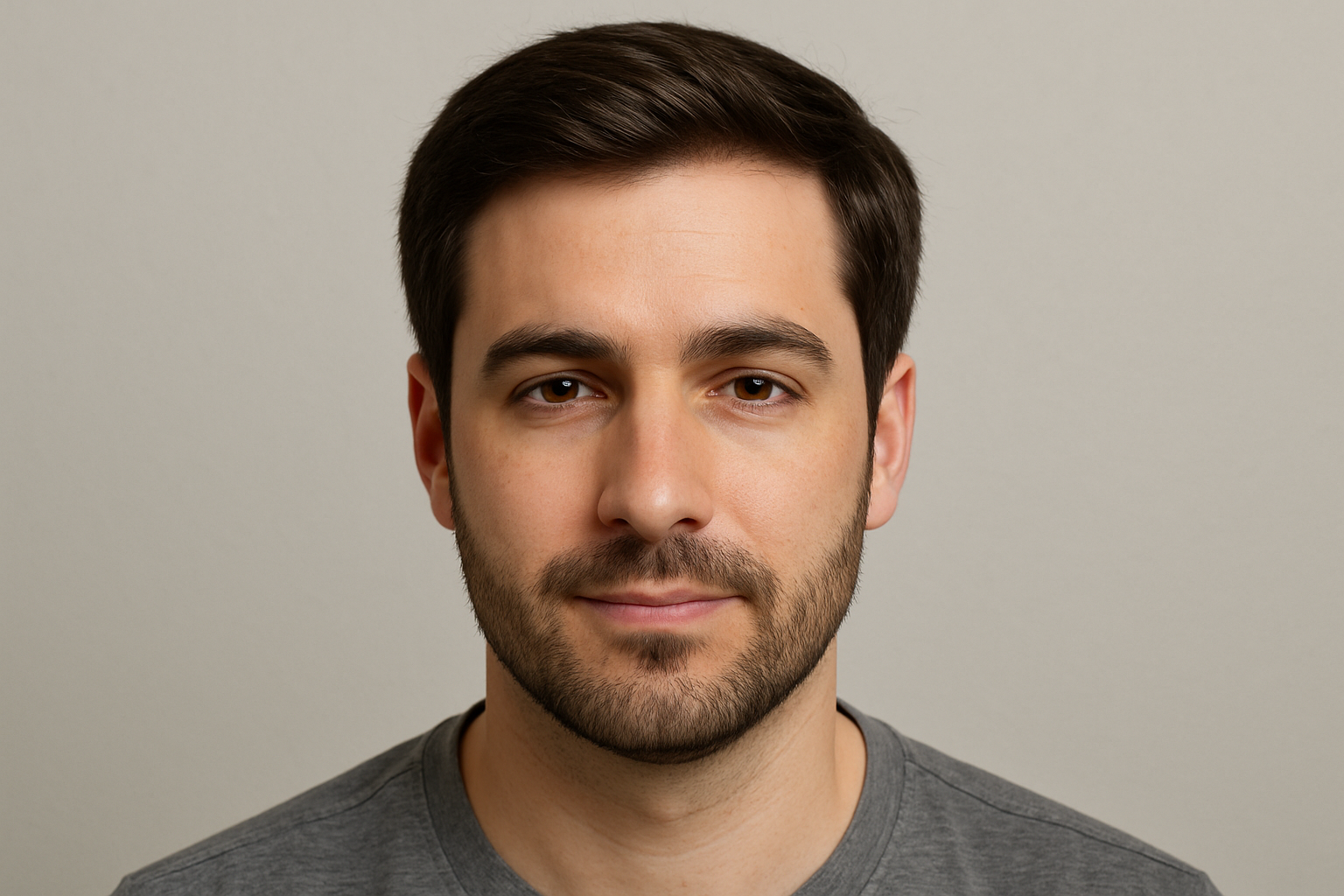
The promise of a “pain-free revolution” isn’t just about the tools used. It’s about a holistic approach to patient comfort. So, what exactly does a “pain-free revolution” mean for *you*? By 2025, advancements in anesthesia and post-operative care are making FUE procedures more comfortable than ever.
Modern clinics now offer advanced local anesthetics that last longer and provide deeper numbness. Some even use needle-free injection systems, reducing the initial sting that many patients fear. Sedation options, ranging from oral medication to IV sedation, also help patients relax completely during the procedure, making the experience virtually stress-free.
Post-operative care is also evolving rapidly. Treatments like PRP (Platelet-Rich Plasma) therapy and growth factor applications are used to accelerate healing and reduce swelling after the procedure. These innovative pain management protocols, combined with the precision of techniques like Sapphire FUE, aim to minimize discomfort both during and after your hair transplant journey. The focus is on a smooth and comfortable experience at every step.
Making Your Informed Decision for Hair Restoration
Choosing between Sapphire FUE and Traditional FUE is a personal decision. It depends on your specific hair loss pattern, budget, and desired outcome. The most important step is to consult with a qualified and experienced hair transplant surgeon. They can assess your individual needs and recommend the best approach for you.
Don’t hesitate to ask questions during your consultation. Understand the entire process, from donor area management to post-operative care. Look at before-and-after photos and discuss realistic expectations for your results and recovery timeline. A good surgeon will provide transparent information and guide you thoroughly. To learn more about how we approach this, please explore our detailed Sapphire FUE information.
Investing in Your Appearance: What Indian Investors Should Know
For Indian investors, the concept of a “return on investment” is second nature. A hair transplant, especially with advanced techniques like Sapphire FUE, can be viewed similarly. It’s an investment in your personal brand, confidence, and overall well-being. The long-term gains in self-esteem and professional appearance can be significant.
Consider the value for money, not just the upfront cost. A superior result with faster healing and higher graft survival means a more effective and lasting solution. Research the clinic’s reputation, the surgeon’s expertise, and the quality of aftercare provided. These factors contribute to the overall success and satisfaction of your investment. Making an informed choice now can ensure a lifetime of confidence. For a comprehensive overview of how Sapphire FUE can be a valuable investment, visit our page about this innovative treatment.
Conclusion: Your Path to a Confident Future
The evolution of hair transplant techniques, from Traditional FUE to the advanced Sapphire FUE, marks a significant stride in aesthetic medicine. The focus is increasingly on precision, comfort, and natural-looking results. With ongoing advancements in pain management, the dream of a truly pain-free FUE experience is becoming a reality, especially by 2025.
Whether you choose Traditional FUE or Sapphire FUE, the goal remains the same: to restore your hair and your confidence. By understanding the differences and consulting with experts, you can embark on your journey to a fuller head of hair with peace of mind. Take the first step today towards a more confident future.
FAQs
Q1: Is Sapphire FUE truly pain-free?
While no surgical procedure is entirely “pain-free,” Sapphire FUE significantly minimizes discomfort. Local anesthesia ensures you feel no pain during the procedure itself. Due to the precise, V-shaped micro-incisions, post-operative pain and swelling are often much less compared to traditional methods. Advanced pain management protocols further enhance comfort.
Q2: How long does swelling last after FUE?
Swelling is a normal part of the healing process after any FUE procedure. With Sapphire FUE, due to reduced trauma, swelling tends to be less and subsides faster. Typically, any noticeable swelling around the forehead and eyes will last for about 2-5 days. It usually disappears completely within a week to ten days.
Q3: Can I combine Sapphire FUE with other treatments?
Yes, combining Sapphire FUE with other treatments can often enhance results. Many clinics offer supplementary therapies like PRP (Platelet-Rich Plasma) or growth factor treatments. These can help accelerate healing, stimulate hair growth, and improve the overall density and quality of the transplanted hair. Your surgeon can recommend the best combination for you.
Q4: What’s the best age for an FUE hair transplant?
There isn’t a single “best” age for an FUE hair transplant. It depends more on the stability of your hair loss pattern. Generally, surgeons prefer to wait until hair loss has stabilized, typically after the age of 25-30. This ensures a more predictable and lasting result, preventing the need for multiple procedures as hair loss progresses.
Q5: How many grafts do I need?
The number of grafts you need varies greatly based on your degree of hair loss, the size of the area to be covered, and the density you desire. A qualified hair transplant surgeon will assess your donor area, examine your scalp, and discuss your goals to determine the optimal number of grafts required for a natural and satisfactory outcome. This is a key part of your initial consultation.

